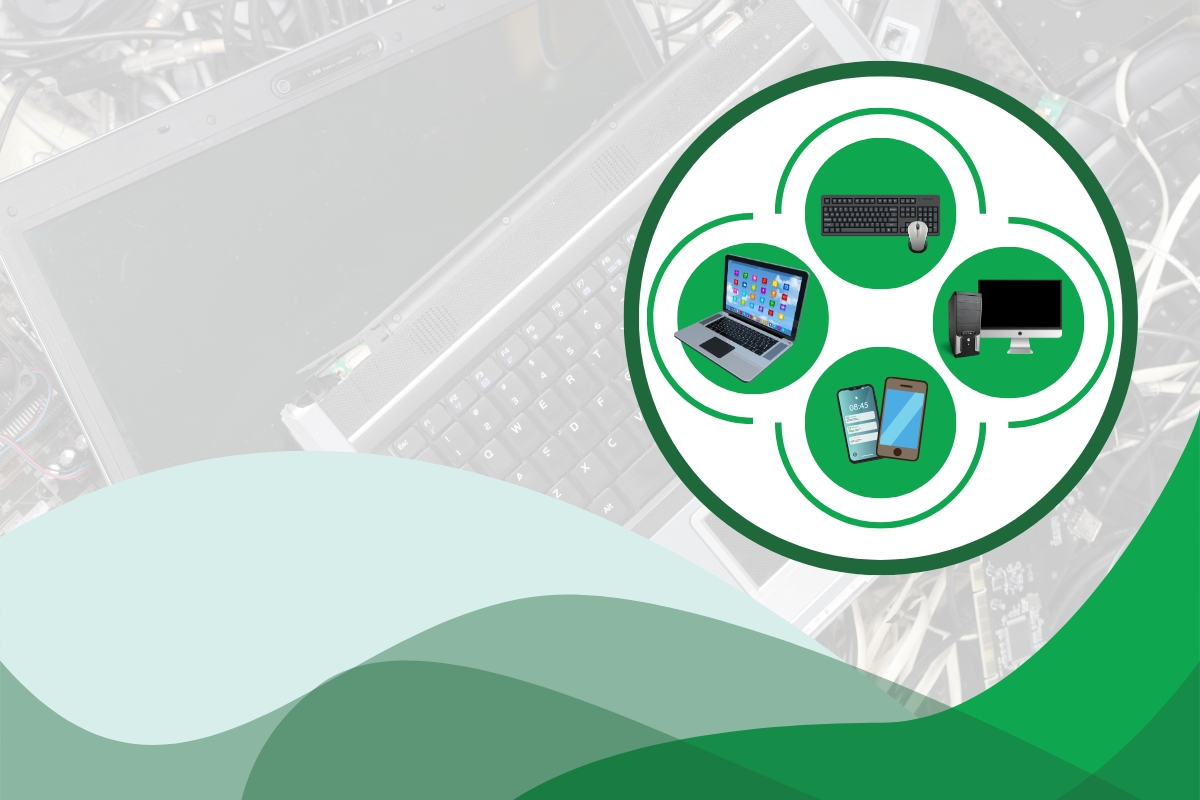
Electronic waste (E-waste) is one of the fastest-growing waste streams in India and globally. With the rapid turnover of IT equipment, telecom devices, medical devices, lighting equipment, and consumer electronics, millions of tonnes of discarded electrical and electronic equipment are generated every year.
According to global and Indian e-waste data, discarded electronics contain high-value metals worth billions, yet a significant share still ends up in landfills or informal recycling channels. This leads to environmental damage, legal non-compliance, and loss of recoverable resources.
Certified E-waste recycling companies in India, like Jeenali Trading & Commercial Services Pvt. Ltd., play a critical role in recovering valuable metals, ensuring E-waste compliance, and supporting Extended Producer Responsibility (EPR) for E-waste.
Modern electronics are designed using metals that deliver high conductivity, corrosion resistance, durability, and performance. These properties make them essential for:
Key reasons valuable metals are used in electronics:
Even though individual devices contain small quantities, industrial recycling of electrical and electronic waste allows recovery at scale—making formal recycling economically and environmentally essential.
1. Gold (Au)
Gold is found in printed circuit boards (PCBs), processors, connectors, and IT equipment. Despite its low weight per device, gold recovery from corporate e-waste, IT asset disposal services, and telecom equipment recycling generates significant value.
Certified E-waste management & recycling companies use controlled extraction methods to recover gold while preventing environmental contamination.
2. Silver (Ag)
Silver is widely present in switches, soldering materials, circuit layers, and lighting equipment waste. Electronics contain more silver by weight than gold, making it a major contributor to recycling value.
Recycling silver through certified E-waste recyclers reduces dependence on mining and supports sustainable environmental services.
3. Palladium (Pd)
Palladium is commonly recovered from telecom equipment waste, medical equipment, MLCCs, and sensors. With growing demand for compact electronics and telecom infrastructure, palladium recovery has become increasingly important.
Telecom equipment recycling and large-scale electronic waste management help stabilise supply chains and reduce import dependency.
4. Copper (Cu)
Copper is the most recovered metal by volume in E-waste recycling. It is extensively used in:
Recycling copper from electronics scrap recycling consumes far less energy than mining and significantly lowers carbon emissions.
5. Platinum (Pt)
Though present in smaller quantities, platinum is recovered from medical device waste, hard drives, specialised sensors, and industrial electronics. Its high market value makes recovery economically viable even at low concentrations.
Medical equipment disposal and medical device waste management benefit greatly from controlled platinum recovery.
Jeenali provides end-to-end E-waste solutions aligned with Indian E-waste Rules and EPR compliance requirements. Their services include:
Through responsible recycling, valuable metals are recovered while hazardous substances such as lead, mercury, cadmium, and batteries are safely handled.
Choosing a certified E-waste recycler ensures:
Formal E-waste management for medical devices, IT equipment waste management, and corporate E-waste solutions in India plays a crucial role in building a circular economy.
Proper recycling transforms discarded electronics into reusable resources rather than environmental liabilities.